

An overhaul of Welsh language education cleared the penultimate hurdle in the Senedd with new school categories and legal requirements on the horizon.
Senedd members debated the Welsh language and education bill, which aims to ensure all pupils become confident Welsh speakers by the end of compulsory school.
If passed, the bill will create three school categories: primarily Welsh; dual language; and primarily English, partly Welsh – with targets for each.
A minimum of 10% of Welsh education would be required in primarily English schools, with 50% and 80% for the dual language and primarily Welsh categories respectively.
The bill would also put the target of reaching at least a million Welsh speakers by 2050 on a legal footing and establish the National Welsh Language Learning Institute.
'Failures'
Senedd members considered dozens of detailed amendments to the bill during a four-hour stage-three debate on Tuesday.
Plaid Cymru's Cefin Campbell was one of the initial architects of the reforms as part of his party's now-collapsed cooperation agreement with the Welsh Government.
He said: "A quarter of a century after the opening of this Senedd, it is disappointing that the majority of children and young people in Wales continue to be deprived of the opportunity to learn Welsh in our education system and to use the language in their everyday life."
"Due to these failures over the past decades, it's very important that we legislate in this area to ensure the necessary progress is made...to reach a million Welsh speakers by 2050."
Mr Campbell proposed raising the minimum requirement in primarily English schools to 20% but Senedd members roundly rejected this amendment.
'Impractical'
Mark Drakeford, who is responsible for Welsh language policy, argued increasing the minimum to 20% would pose a significant risk the requirement could not feasibly be met.
He said: "I firmly believe it's important in the short term for us to ensure the 10% minimum is provided effectively, rather than doubling that amount without sufficient capacity to do so."
Conservative Tom Giffard agreed that an unrealistic target would make the bill impractical, with schools "already hugely concerned about reaching a 10% minimum".
Mr Campbell raised concerns about exemptions from the 10% minimum for primarily English schools which would be able to apply for two three-year extensions.
The shadow education secretary warned a decade could elapse due to the time before the bill comes into force and schools seeking exemptions "which is entirely unacceptable".
'Exceptional'
Mr Campbell's amendment to remove further extensions was rejected, with Prof Drakeford saying exemptions should be used infrequently and in exceptional cases.
"Nobody will be able to get an exemption just by asking for one," said the former first minister, pointing to the role of councils in approving applications.
Senedd members voted against an amendment which would have required ministers to issue guidance on how Welsh learning goals apply to pupils with additional learning needs.
Other Conservative amendments, which were aimed at supporting non-Welsh speaking parents to engage with their children's education, were agreed with cross-party support.
Mr Giffard said: "After four years of disagreement with Mark Drakeford, it's a pleasure to see that we can agree on this, so thank you very much," before normal service resumed.
'Detrimental'
The former teaching assistant backed Plaid Cymru amendments – on setting targets for the recruitment, retention and training of a bilingual workforce – which were narrowly rejected.
"Without the workforce, no single line of this bill would work," he warned.
Mr Campbell, a former lecturer, also proposed creating a presumption in favour of Welsh-medium education for any new schools but this amendment also fell.
Prof Drakeford warned of detrimental unintended consequences, such as a lack of community buy-in from forcing such an assumption on councils.
The Senedd rejected Plaid Cymru calls for at least half of pupils to attend primarily Welsh schools by 2050 but the Welsh Government committed to a consultation on such a target.
The bill now moves to stage four: a key vote on the final version agreed at stage three. With Labour and Plaid holding two-thirds of seats, the Senedd is likely to pass the bill next Tuesday.
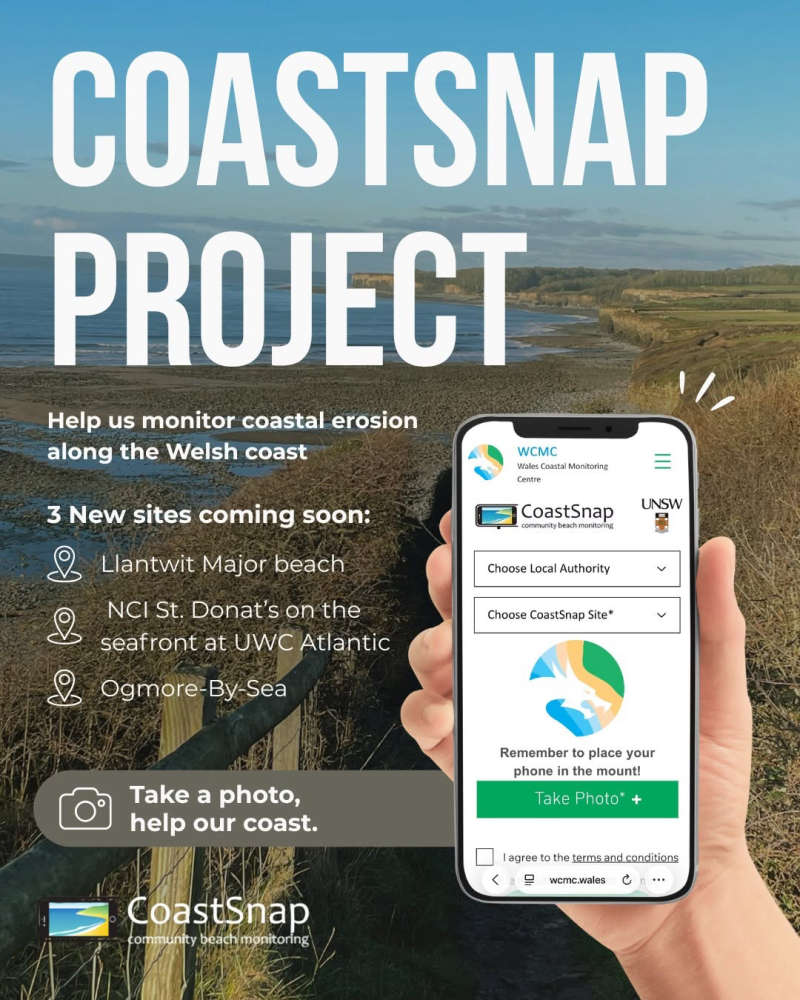 Three CoastSnap stations set to be installed along the Glamorgan Heritage Coast
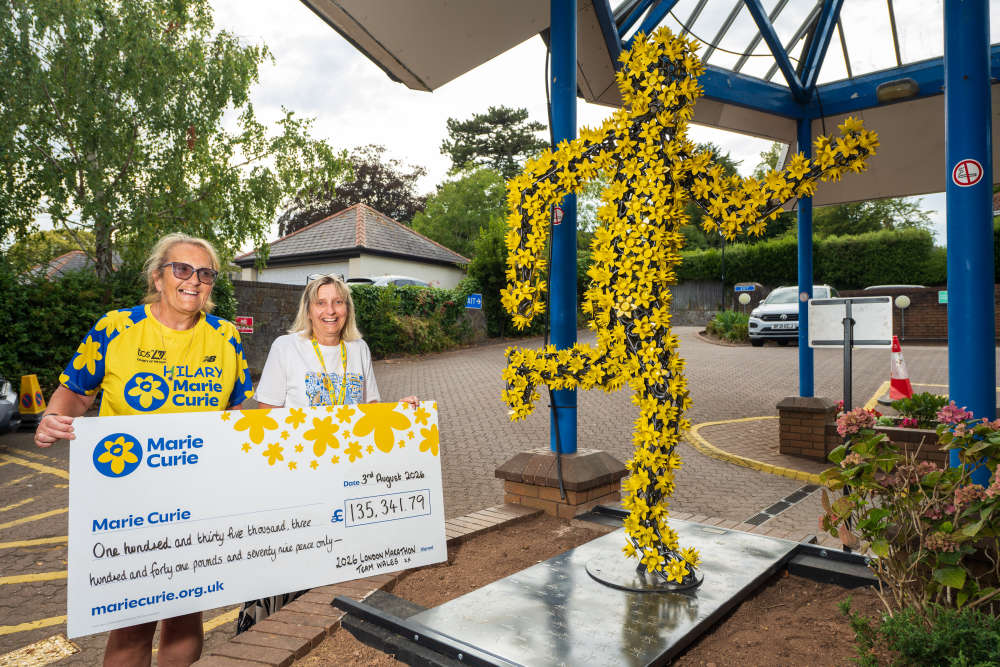 Daffodil Runner statue installed at Marie Curie Hospice in Penarth
 Woman Dies After Incident in Leckwith as Police Investigation Continues
 Vale entrepreneur wins national Innovate UK award for sustainable construction technology
 Cardiff Airport retains top accessibility rating as regulator reports record demand for assistance
 Open Doors event to showcase hidden world of Glamorgan Archives
 New details have emerged of a new tree-lined public square that will replace a traffic dominated junction
 Dyffryn Gardens’ Edwardian rose garden blooms again after decade-long restoration
 Barry’s Own Daniel White to Walk 190 Miles Back to Where His Round Table Story Began
 1,300 people attend Flying Start Family Fun Day
 Dispersal order put in place to tackle anti-social behaviour
 Interim Chief Executive Appointed at Cardiff and Vale University Health Board
 Cardiff Theatre Marks 50 Years of Service for Long‑Standing Staff Member
 Council to review use of GP letters as evidence for disability claims
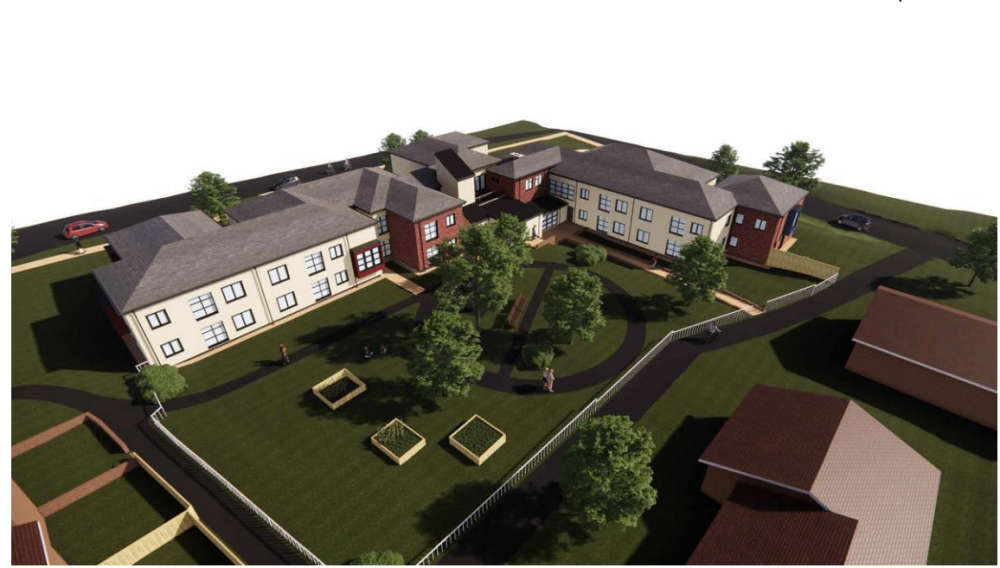 Plans have been put in place to redevelop a complex with more than 20 flats
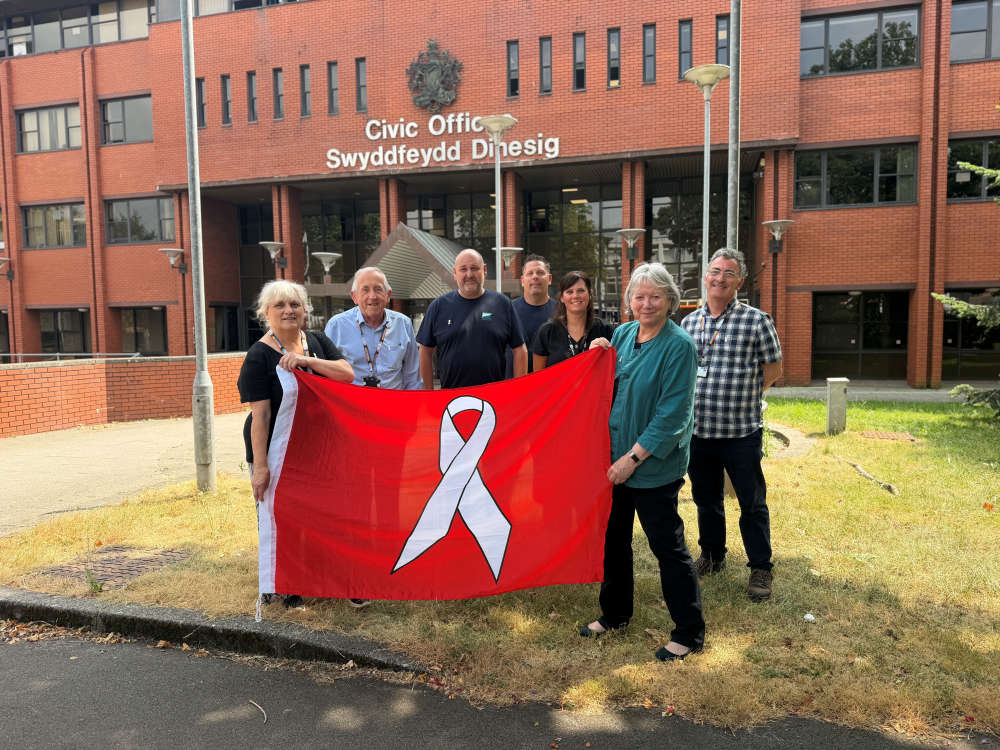 Vale Council Reaccredited Under White Ribbon Scheme as Part of Ongoing Work to Tackle Violence Against Women and Girls
 Two Vale Restaurants Among Those Set to Close as Whitbread Shuts Brewers Fayre and Beefeater Chains
 Vale Council Issues Safety Warning After Gas Canisters Found in Household Recycling
 Cogan Primary School Praised for its Inclusive Culture and Strong Leadership in Estyn Inspection