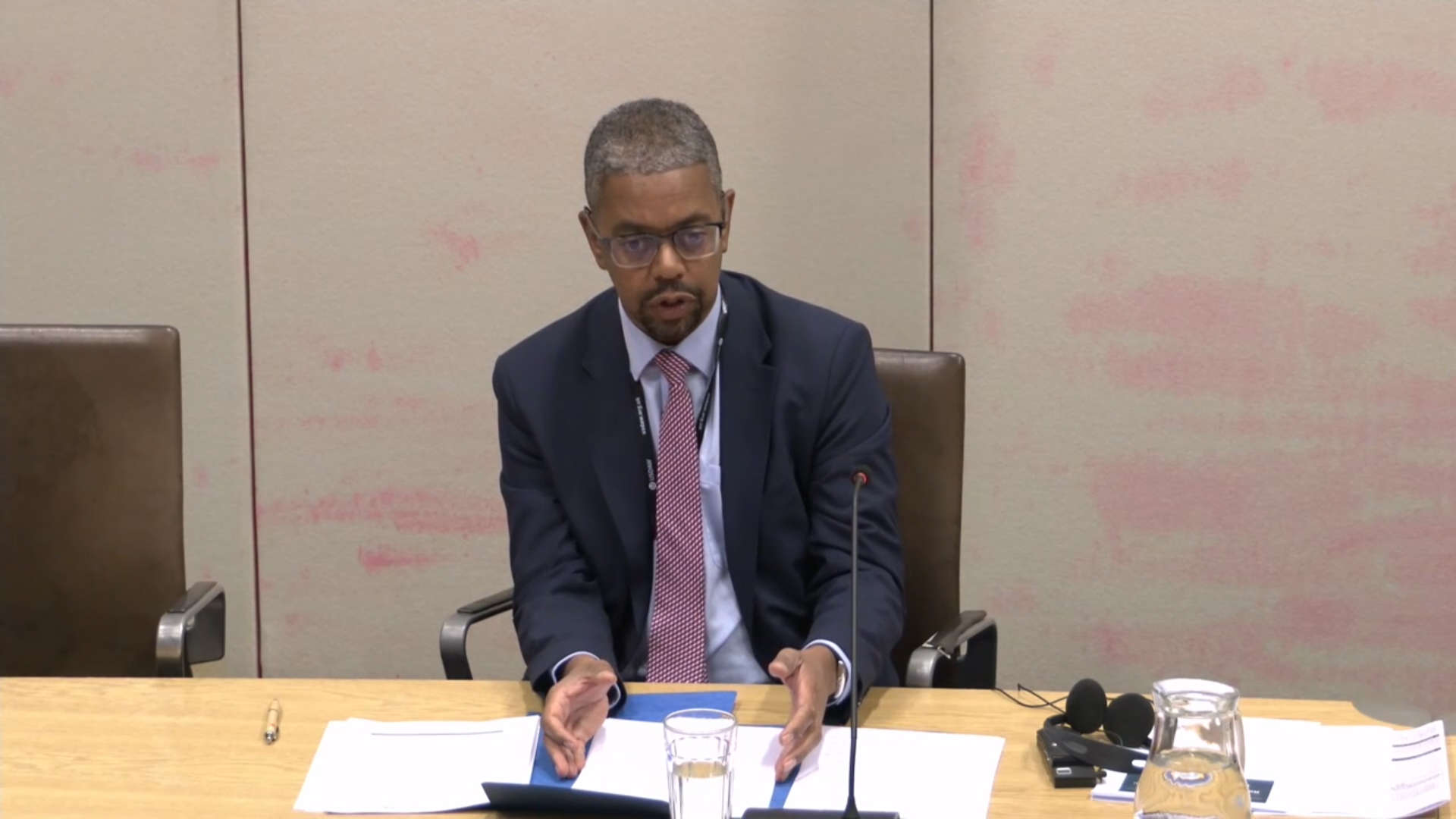
Campaigners have called for a £10,000 cap on political donations following controversy over a £200,000 donation that led to the downfall of former first minister Vaughan Gething.
The Cardiff South and Penarth MS, who broke no rules, was forced to stand down after accepting the donation from a convicted polluter's company during the 2024 Welsh Labour leadership race.
Before resigning in July last year, Mr Gething – who outspent rival Jeremy Miles by £254,600 to £61,800 – urged the Senedd's standards committee to look into reforming donation rules.
Now, in evidence to the committee's resulting inquiry, witnesses have warned a lack of limits on donations, and a high threshold for reporting, risk damaging public confidence.
Transparency International UK, an anti-corruption nonprofit organisation, said the row over the £200,000 donation has correlated with low levels of trust in the Welsh Government.
'Wrongdoing'
The group called for a £10,000 cap on contributions to candidates standing in internal elections from any individual or organisation, with limits on how much can be spent.
Transparency International told members of the standards committee: "The Vaughan Gething case also raised questions about the legitimacy of the donations received."
"Some were linked to criminal investigations and convictions. When a politician is seen to receive contributions from those connected with wrongdoing, it undermines public trust."
"Candidates and parties should do more to ensure the legitimacy of donations they receive."
Only 24% of people believe party funding is transparent, according to a 2023 Electoral Commission survey on public perception of political campaign finances.
'Corruption'
Transparency International and the Electoral Reform Society (ERS) Cymru criticised the £2,230 threshold for reporting donations, arguing it is too high by international standards.
ERS Cymru warned: "Whilst there are limits on spending, there are currently no limits on donations. This creates a space for individual, corporate or other interests to have an outsized impact on the financial flows to parties and candidates."
"Both the total amount of political donations and the size of donations has been increasing."
The UK's committee on standards in public life recommended a donation limit of £10,000 in an effort to "end the big donor culture" in 2011.
In its evidence, ERS Cymru said: "Whether it's parties or candidates, reliance on a small number of wealthy donations can distort politics and open up the potential for corruption."
"A donations limit is not only better for preventing undue influence but protects political parties and representatives from risky fundraising behaviours."
'Burdensome'
But Douglas Bain, the Senedd's standards commissioner who investigates complaints against politicians, opposed a cap on donations from any one individual or entity.
He wrote: "Unless such a provision was supported by detailed rules, it would be easy to avoid and so would serve no purpose."
"It appears to me that a variation of the rules depending on the source of the donation would introduce unnecessary complexity and would also be straightforward to avoid."
Public Affairs Cymru, a membership organisation for lobbyists, supported the status quo, expressing concerns that lower reporting thresholds could become overly burdensome.
Its executive committee warned a politician may have to declare the value of a single Welsh cake at an event if rules were tightened too much, creating a barrier to open engagement.
'Inconsistency'
ERS Cymru called for the introduction of a lobbying register to address a "clear gap" ahead of the May 2026 election, bringing the Senedd in line with Scotland and the UK.
The campaigners warned: "The lack of mandatory record keeping and strong guidance risks inconsistency between members when capturing information around meetings."
"Given the guidance also does not require the publication of such information, there is a lack of transparency for the public who have no way of accessing information."
Transparency International echoed calls for a register, "the most effective way to create the right incentives for appropriate behaviour and the sanctioning power to prevent abuses".
The Senedd's standards committee, which is made up of politicians from the three main parties, has resisted calls to introduce a statutory lobbying register over the past decade.
The committee will consider the next steps during a private meeting on Tuesday.
 Pink poppy display commences with celebration of life
 Former Barry office block converted into new homes for people at risk of homelessness
 Welsh Government publishes independent report on Level 4 intervention at Cardiff and Vale UHB
 Three CoastSnap stations set to be installed along the Glamorgan Heritage Coast
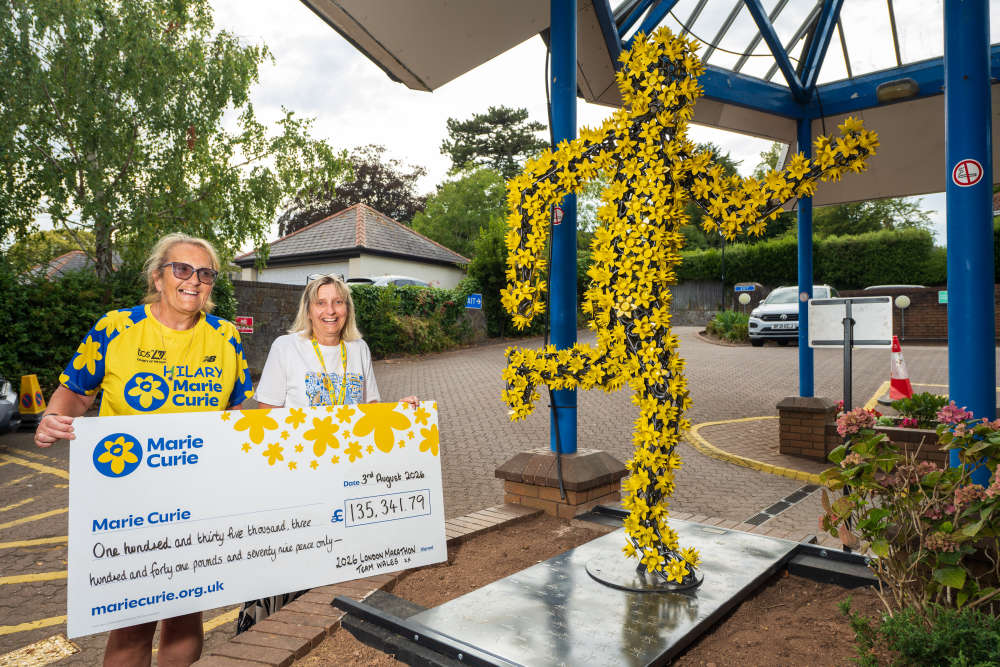 Daffodil Runner statue installed at Marie Curie Hospice in Penarth
 Woman Dies After Incident in Leckwith as Police Investigation Continues
 Vale entrepreneur wins national Innovate UK award for sustainable construction technology
 Cardiff Airport retains top accessibility rating as regulator reports record demand for assistance
 Open Doors event to showcase hidden world of Glamorgan Archives
 New details have emerged of a new tree-lined public square that will replace a traffic dominated junction
 Dyffryn Gardens’ Edwardian rose garden blooms again after decade-long restoration
 Barry’s Own Daniel White to Walk 190 Miles Back to Where His Round Table Story Began
 1,300 people attend Flying Start Family Fun Day
 Dispersal order put in place to tackle anti-social behaviour
 Interim Chief Executive Appointed at Cardiff and Vale University Health Board
 Cardiff Theatre Marks 50 Years of Service for Long‑Standing Staff Member
 Council to review use of GP letters as evidence for disability claims
 Plans have been put in place to redevelop a complex with more than 20 flats
 Vale Council Reaccredited Under White Ribbon Scheme as Part of Ongoing Work to Tackle Violence Against Women and Girls
 Two Vale Restaurants Among Those Set to Close as Whitbread Shuts Brewers Fayre and Beefeater Chains