


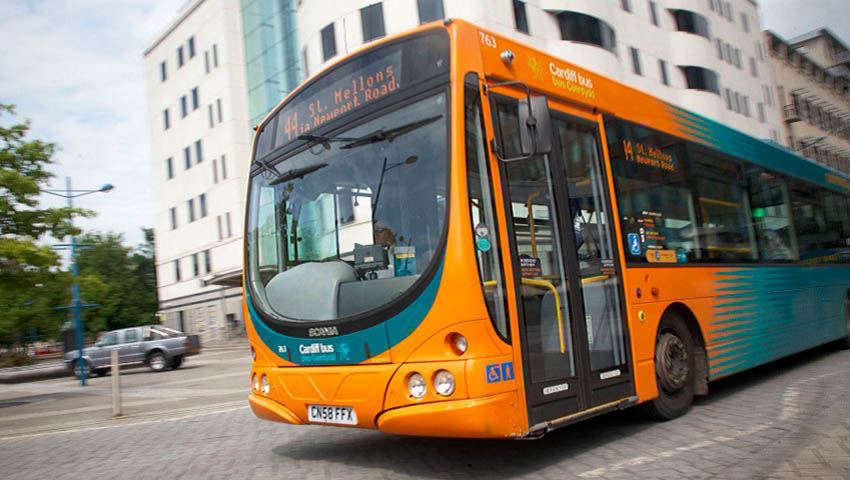
Plans to end the current "deregulated" bus system passed the first stop on the legislative journey as the Senedd voted in favour of the general principles.
Members voted 37-12, with one abstaining, in support of the bus bill which seeks to replace the current system in which private operators decide most routes on a commercial basis.
A franchising model similar to Greater Manchester's would be introduced under the bill, with the Welsh Government gaining control of routes, timetables, fares and standards.
Ken Skates, Wales' transport secretary, told the Senedd: "Moving from the current deregulated model will support a truly integrated transport system that is fit for purpose."
He said the franchising model would put people first, driving up passenger numbers and generating more revenue from fares which can then be used to improve services.
'Significant gap'
If the bill completes its journey through the Welsh Parliament, Transport for Wales would roll out the new system in phases over four-five years beginning in south-west Wales.
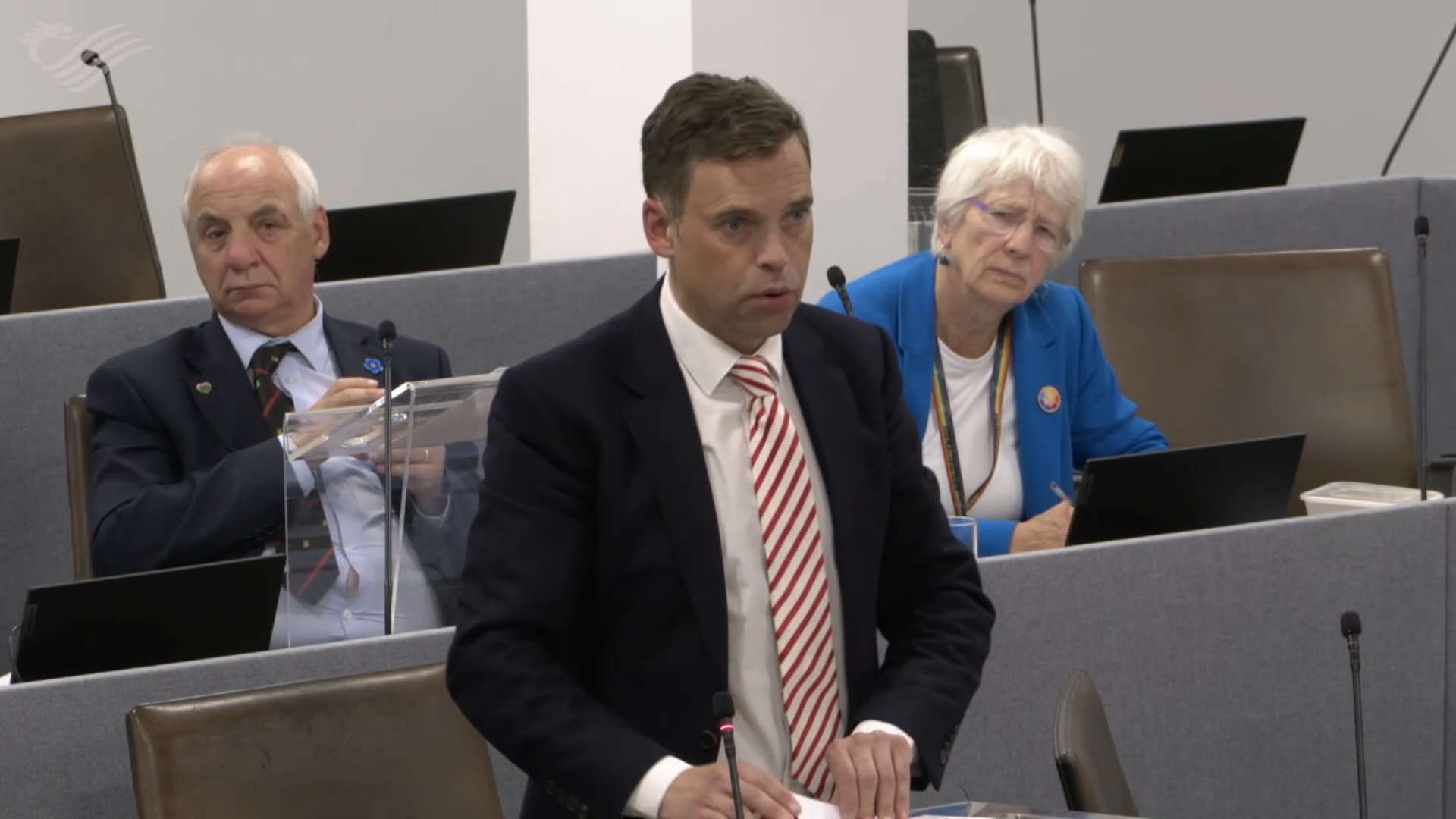
Llŷr Gruffydd, who chairs the Senedd's infrastructure committee, said the case for reform is compelling, with fragile rural services and declining patronage in some areas.
While he backed the "important and necessary step forward", the Plaid Cymru MS for North Wales shared the concerns of witnesses who told the committee the bill lacks detail in some key areas.
"It has been disappointing that significant aspects of the proposals will only become clear once the bill has become law," said Mr Gruffydd, who called for key commitments to be set out in the bill, "not left to the goodwill of a future government".
Mr Gruffydd expressed concerns about a "significant" gap in the bill around congestion and infrastructure, with witnesses warning services will not otherwise improve under any model.
'Wrong vehicle'
The Conservatives' Sam Rowlands shared a desire to improve public transport but he warned the bus bill "falls short" and the franchising model is the wrong vehicle.
He told Senedd members far too many businesses folded following the introduction of franchising in Manchester after being excluded from procurement due to red tape.
Mr Rowlands said: "What the Bill completely fails to address is the single biggest challenge facing bus services today, and that's congestion. Reliability is crucial. You can't have a modern, integrated public transport system if buses are stuck in traffic and consistently late."
During the debate on Tuesday, Plaid Cymru's Delyth Jewell broadly backed the bill but she suggested learner transport, which was omitted, has been treated as an afterthought.
She said: "Learner travel must be guaranteed, and therefore it must be included in this Bill. We can't gamble with whether or not a child gets to school safely."
'Big deal'
Plaid's deputy leader in the Senedd also called for a greater focus on accessibility, backing RNIB Cymru's calls for minimum standards to be enshrined in operator contracts.
Labour's Lee Waters said: "This bill is a big deal and, in time, it will make a big difference."
"Since Tory privatisation of the bus industry in the mid-1980s, the number of routes has shrunk, the pay of the staff has been suppressed and fares have risen. In fact, since privatisation, bus fares have risen faster than the cost of motoring."
Criticising the current "dysfunctional" system, the former transport minister said operators make 100% private profit but more than half of their costs are met by the public purse.
He told the Senedd: "This private system costs taxpayers a lot of money...around £200m a year, throw in on top of that the cost of school transport – which takes up about 20% of the cost of school budgets – and none of this activity, none of this money is coordinated."
Mr Waters pointed to the bill's impact assessment which estimated the benefits of the bill at more than £3bn, five times greater than the costs of £600m, over a 30-year horizon.
 Pink poppy display commences with celebration of life
 Former Barry office block converted into new homes for people at risk of homelessness
 Welsh Government publishes independent report on Level 4 intervention at Cardiff and Vale UHB
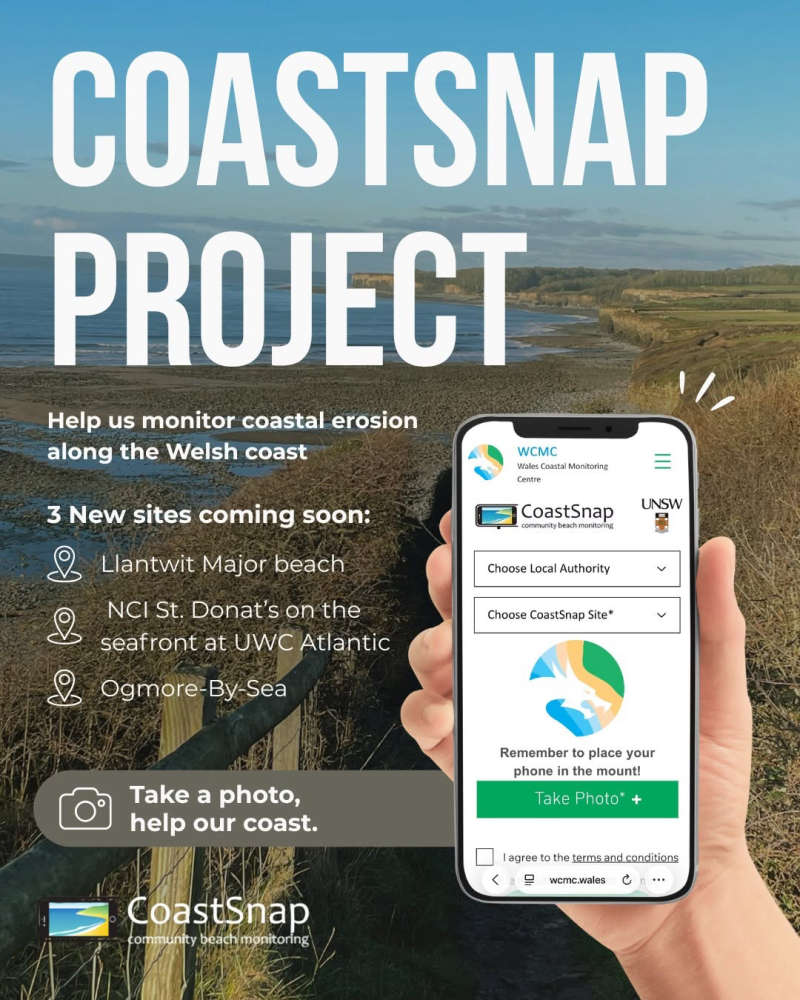 Three CoastSnap stations set to be installed along the Glamorgan Heritage Coast
 Daffodil Runner statue installed at Marie Curie Hospice in Penarth
 Woman Dies After Incident in Leckwith as Police Investigation Continues
 Vale entrepreneur wins national Innovate UK award for sustainable construction technology
 Cardiff Airport retains top accessibility rating as regulator reports record demand for assistance
 Open Doors event to showcase hidden world of Glamorgan Archives
 New details have emerged of a new tree-lined public square that will replace a traffic dominated junction
 Dyffryn Gardens’ Edwardian rose garden blooms again after decade-long restoration
 Barry’s Own Daniel White to Walk 190 Miles Back to Where His Round Table Story Began
 1,300 people attend Flying Start Family Fun Day
 Dispersal order put in place to tackle anti-social behaviour
 Interim Chief Executive Appointed at Cardiff and Vale University Health Board
 Cardiff Theatre Marks 50 Years of Service for Long‑Standing Staff Member
 Council to review use of GP letters as evidence for disability claims
 Plans have been put in place to redevelop a complex with more than 20 flats
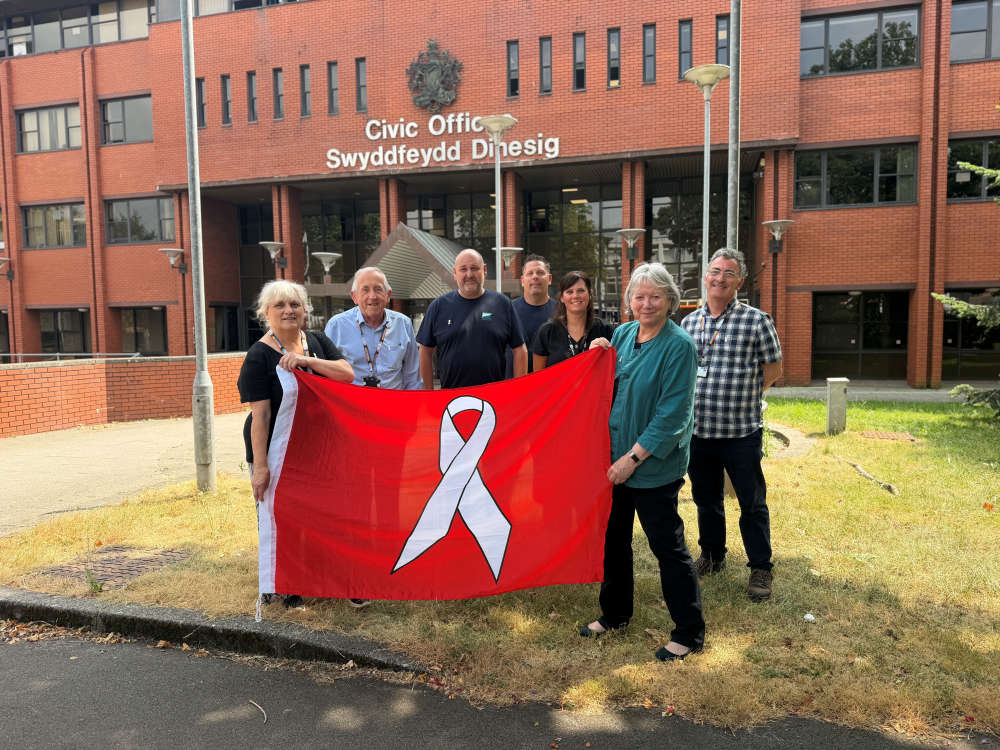 Vale Council Reaccredited Under White Ribbon Scheme as Part of Ongoing Work to Tackle Violence Against Women and Girls
 Two Vale Restaurants Among Those Set to Close as Whitbread Shuts Brewers Fayre and Beefeater Chains