


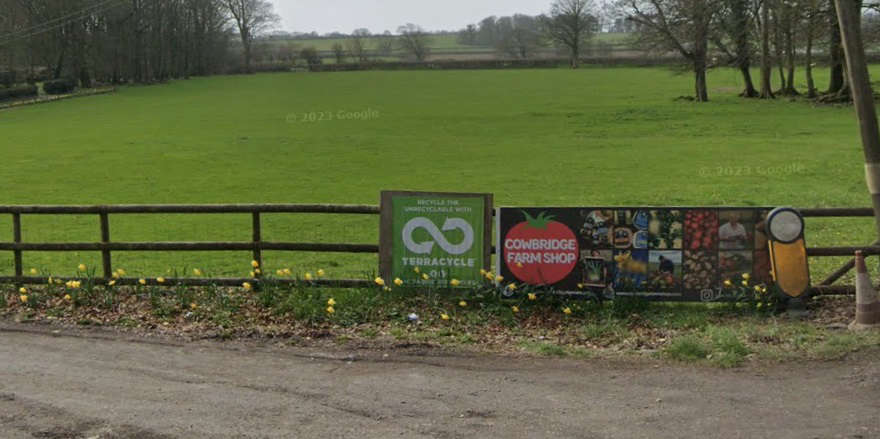
Eight new cases of cryptosporidium have been confirmed in an outbreak linked to a farm shop in Cowbridge.
A total of 89 cases have been reported - all connected to public feeding and petting activities at Marlborough Grange Farm in March and April.
At least 16 people were taken to hospital during the earlier stages of the outbreak.
The farm shop, which has made no public comment, halted its activities involving calves and lambs on 29th April.
Public Health Wales (PHW) says the outbreak control team - involving multiple authorities - met last Saturday to discuss the situation.
They are again warning the public to take hygeine precuations before visiting farms.
Su Mably, a health protection consultant at PHW, said: “We are continuing to work closely with our partners to investigate this outbreak and to prevent any further spread of infection.”
”Cryptosporidium usually clears up on its own, but it can cause more serious illness in young children and people with weaker immune systems.”
“Cryptosporidium can also spread from person to person. If you develop symptoms after being in contact with someone who became ill following a visit to this farm, or any other farm where they have handled or fed the animals, it’s important to get medical advice.”
”Washing your hands properly, especially before eating or preparing food, is one of the best ways to stop the infection spreading.”
Cryptosporidium is a parasite that can cause gastrointestinal illness. It is often linked to contact with animals, especially young farm animals such as calves and lambs.
It can last for up to a fortnight and symptoms usually begin around two to ten days after contact - but the infection can still spread after symptoms subside and anyone affected should not go swimming for a fortnight.
The main symptoms of cryptosporidium include watery diarrhoeam, stomach pains or cramps, nausea or vomiting, a loss of appetite and weight loss and mild fever.
Public Health Wales says it advises anyone visiting farms to follow good hygiene practice, such as washing your hands throughly after touching animals, boots or clothing and before eating or drinking.
They advise parents to supervise children closely to ensure they wash their hands properly while pregnant women should take particular care and avoid contact with newborn lambs during the lambing season.
Cardiff and Vale University Health Board and Vale of Glamorgan Council are working alongside PHW as part of their investigation into the outbreak.
 Coastal Litter Pick Series Announced for Glamorgan Heritage Coast
 Glamorgan Archives invites visitors behind the scenes to discover centuries of history
 £200,000 Secured for Next Phase of Barry RFC Sports & Community Hub Redevelopment
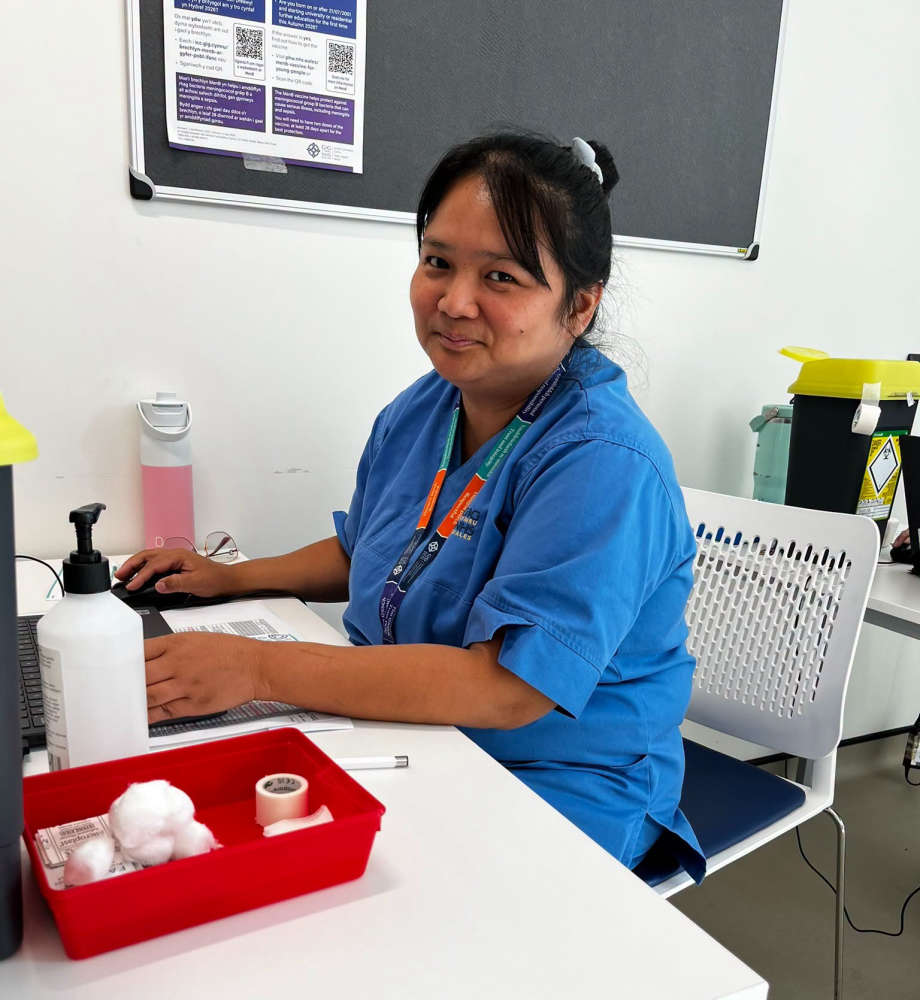 Walk‑In Hepatitis A Vaccination Clinics Open in Barry as Health Board Expands Outbreak Response
 Over 27.4% of Vale GCSE students acheive A or A* Grade
 Rhoose Community Library Marks Ten Years as Volunteer‑Run Community Hub
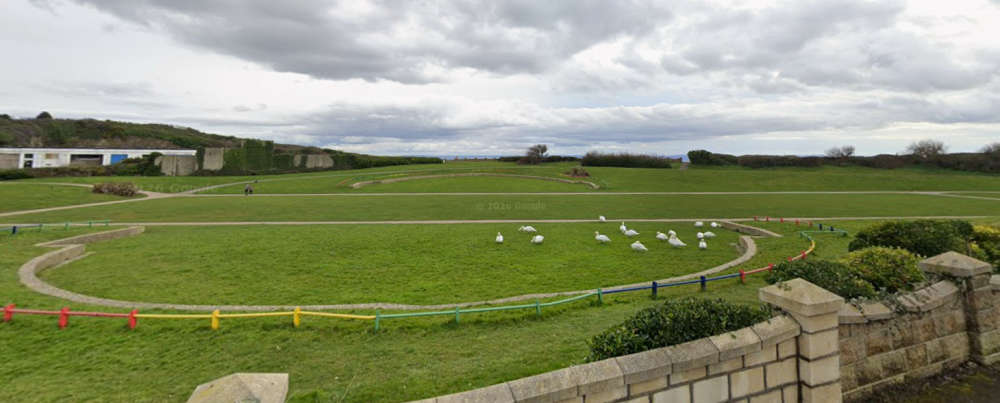 Calls to build a new Lido re-surface with resident saying the town "is in dire need of"
 Barry Man’s 190‑Mile Charity Walk Reaches Day Two as He Heads Home to the Town That Changed His Life
 Hepatitis A Vaccination Programme Launched for Young Children in Barry Amid Ongoing Local Cases
 Barry Councillor Urges Local Chapels to Help Update Wales‑Wide Heritage Project
 Dispersal Order issued at Cosmeston as council warns of ‘extremely dangerous’ behaviour
 Three Rescues in 24 Hours as RNLI Barry Dock Urges Caution Around Sully Island
 Police Investigate ATM Theft in Cowbridge After Pensioner Targeted
 Break‑In at St Athan Community Centre Forces Volunteers to Divert Funds from Upcoming Events
 Vale Students Celebrate Strong A and AS Level Results
 Llantwit Major School Celebrates Record-Breaking A Level Success
 Senedd recess: What have the Welsh political parties been up to so far?
 Vueling withdraws winter flights to Aicante this winter
 Playground in Barry forced to close after fire damages equipment
 Campaigners Take Fight for Fairer Pathways in Welsh Women’s Football to Parliament